More than two thousand years ago, an unknown civilization raised a metropolis in the highlands of Mexico that would become the largest city in the ancient Americas. Its pyramids still pierce the sky today, guarding secrets that archaeologists have yet to fully unravel.
The story of Teotihuacan begins around 100 BCE, when small farming communities in the northeastern Basin of Mexico began gravitating toward a strategically located valley roughly 50 kilometers northeast of modern-day Mexico City. Scholars believe a catastrophic volcanic eruption of Xitle, which buried the rival settlement of Cuicuilco around 50 BCE, may have accelerated the migration of peoples to this site. By the first century CE, what had been a modest agricultural settlement was already showing signs of deliberate, ambitious urban planning on a scale unprecedented in the Western Hemisphere. The founders of Teotihuacan remain one of history's great mysteries — their ethnic identity and language are still unknown.
By approximately 100 CE, construction of the city's defining monuments had begun in earnest. The massive Pyramid of the Sun, rising 65 meters and built over a sacred natural cave, was completed around 200 CE using an estimated 1.3 million cubic meters of fill material — all moved without wheeled vehicles or draft animals. The Avenue of the Dead, a 4-kilometer ceremonial spine aligned to celestial phenomena, was laid out with extraordinary precision. Urban planners subdivided the city into a grid of roughly 2,300 apartment compounds, suggesting a degree of civic organization unmatched anywhere else in the ancient Americas at that time. The city was not just growing; it was being deliberately designed.
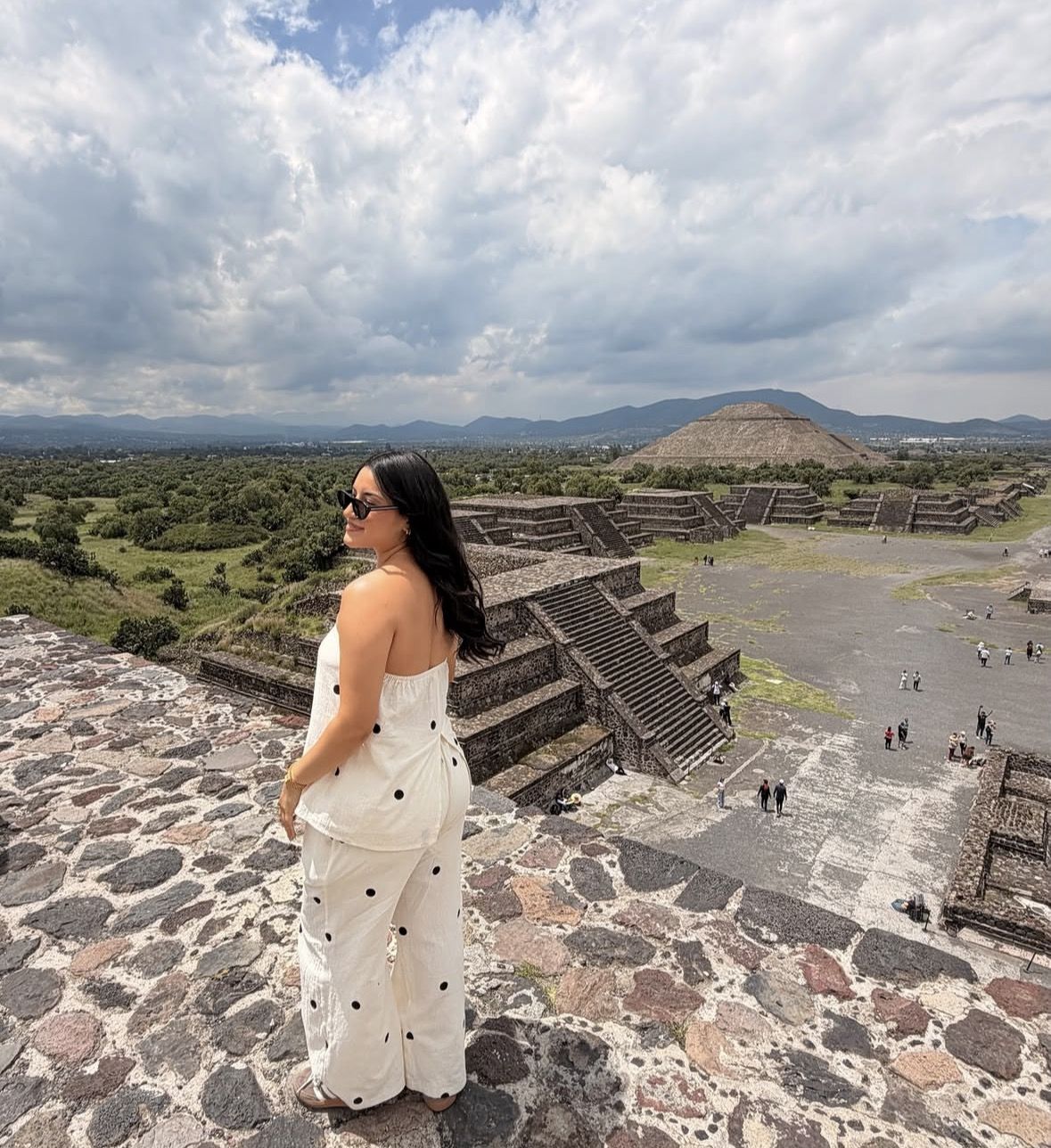
At its zenith between 300 and 550 CE, Teotihuacan was home to an estimated 125,000 to 200,000 inhabitants, making it one of the largest cities on Earth — larger than Rome at certain comparable periods. Archaeological evidence reveals distinct residential districts occupied by Zapotec merchants from Oaxaca, Maya traders from the Gulf Coast, and peoples from Veracruz, suggesting a remarkably cosmopolitan character. Obsidian from the nearby Pachuca deposits fueled a vast trade network that reached as far as present-day Guatemala and the American Southwest. Teotihuacan's influence was not merely commercial; its artistic motifs, architectural style, and religious iconography spread across Mesoamerica like a cultural tide.
Religion permeated every dimension of life in Teotihuacan. The city's very name, given by later Aztec visitors who arrived centuries after its abandonment, translates from Nahuatl as 'the place where the gods were created' — a reference to the Aztec creation myth in which the gods gathered here to sacrifice themselves and set the sun and moon in motion. The Pyramid of the Feathered Serpent, also known as the Temple of Quetzalcoatl, was excavated in the 1980s to reveal over 200 sacrificial victims buried in its foundations, their hands bound behind their backs. These findings confirmed that ritual human sacrifice was practiced on a large, organized scale as part of the city's state religion.
One of Teotihuacan's most enduring enigmas is the near-total absence of a clearly identifiable ruling class. Unlike contemporary Maya cities, Teotihuacan has yielded no grand royal tombs, no hieroglyphic texts naming kings, and no monumental portraits of individual rulers. Some scholars propose the city was governed by a council of priestly elites or merchant guilds rather than a single dynasty. The murals that adorn the apartment compounds depict agricultural deities, jaguars, serpents, and abstract religious symbols — but never triumphant individual rulers. In 2003, archaeologist Sergio Gómez discovered a sealed tunnel beneath the Pyramid of the Feathered Serpent, and ongoing excavations have revealed liquid mercury and thousands of artifacts, possibly pointing to a royal tomb yet to be found.
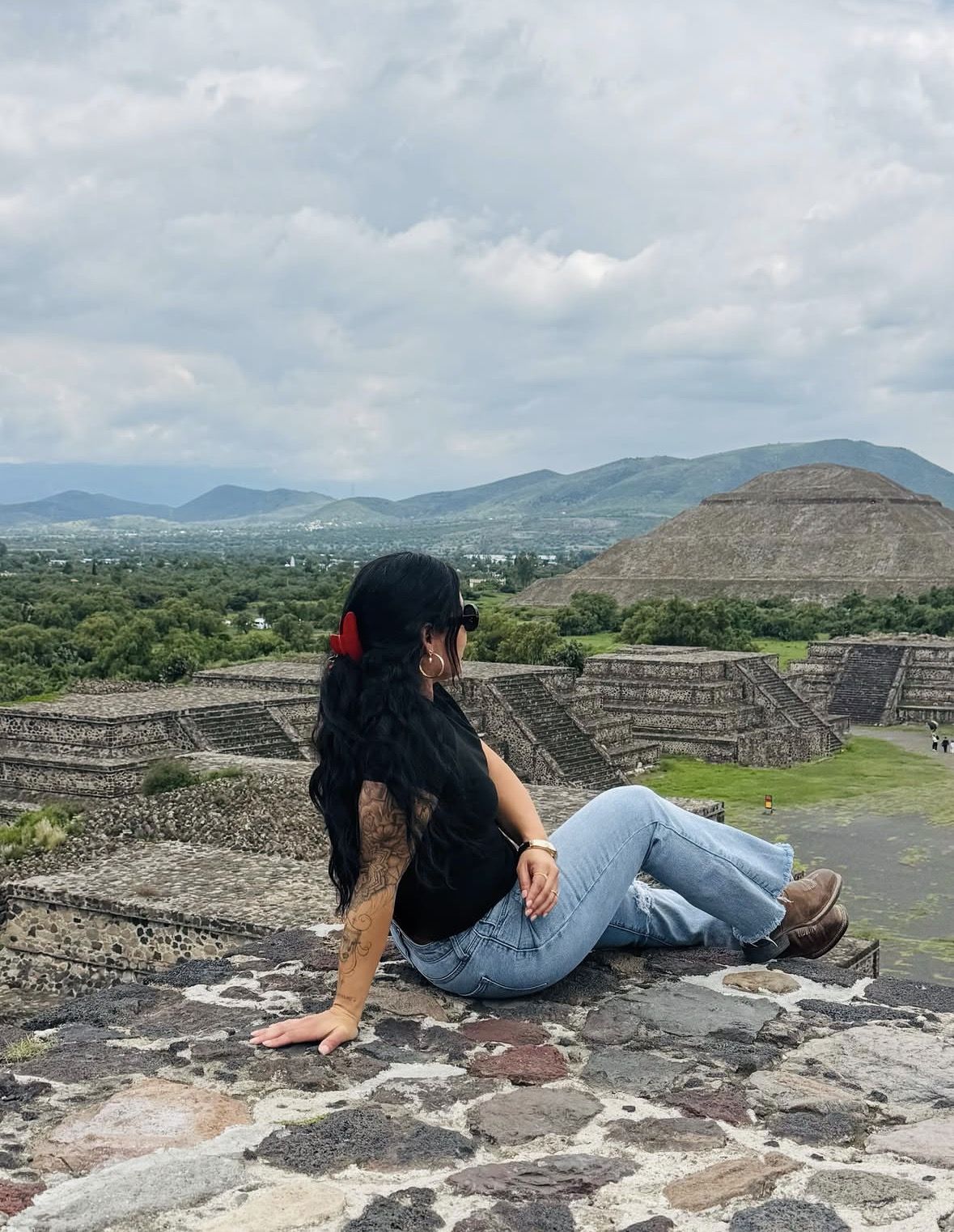
Around 550 CE, Teotihuacan met a dramatic and still-debated end. Evidence of large-scale burning concentrated specifically on the city's ceremonial core — the Avenue of the Dead, the great pyramids, and the palaces of the elite — suggests an intentional act of destruction rather than an external conquest. Some archaeologists interpret this as a violent internal uprising against the ruling class, while others propose prolonged drought, resource depletion, or a combination of social pressures. The population did not vanish overnight; a reduced community persisted for centuries. But by 700 CE, the great city had been largely abandoned, leaving its monuments to be slowly reclaimed by soil and scrub vegetation.
When the Aztec Empire rose to prominence in the 14th and 15th centuries, their people encountered the ruins with awe and reverence. They made regular pilgrimages to the site, believing it to be the birthplace of the current cosmic age. Aztec rulers collected artifacts from Teotihuacan and deposited them as sacred offerings in the Templo Mayor in Tenochtitlan, their own capital. Spanish conquistadors arrived in 1519 and, though they documented the ruins, colonization brought centuries of neglect. Systematic archaeological investigation did not begin until the late 19th century, when Mexican archaeologist Leopoldo Batres conducted the first major excavations and partial reconstruction of the Pyramid of the Sun between 1905 and 1910.
UNESCO designated Teotihuacan a World Heritage Site in 1987, recognizing it as an outstanding example of a pre-Columbian urban center of extraordinary universal value. The designation helped accelerate both conservation efforts and international academic collaboration. Ongoing projects, including the landmark Tlalocan Project led by Sergio Gómez Chávez beginning in 2003, continue to transform our understanding of the site. Ground-penetrating radar, LiDAR surveys, and robotic exploration of the sealed tunnel beneath the Temple of Quetzalcoatl have revealed chambers filled with pyrite mirrors, jade figurines, jaguar remains, and pools of liquid mercury — discoveries that regularly make international headlines and keep Teotihuacan at the forefront of world archaeology.
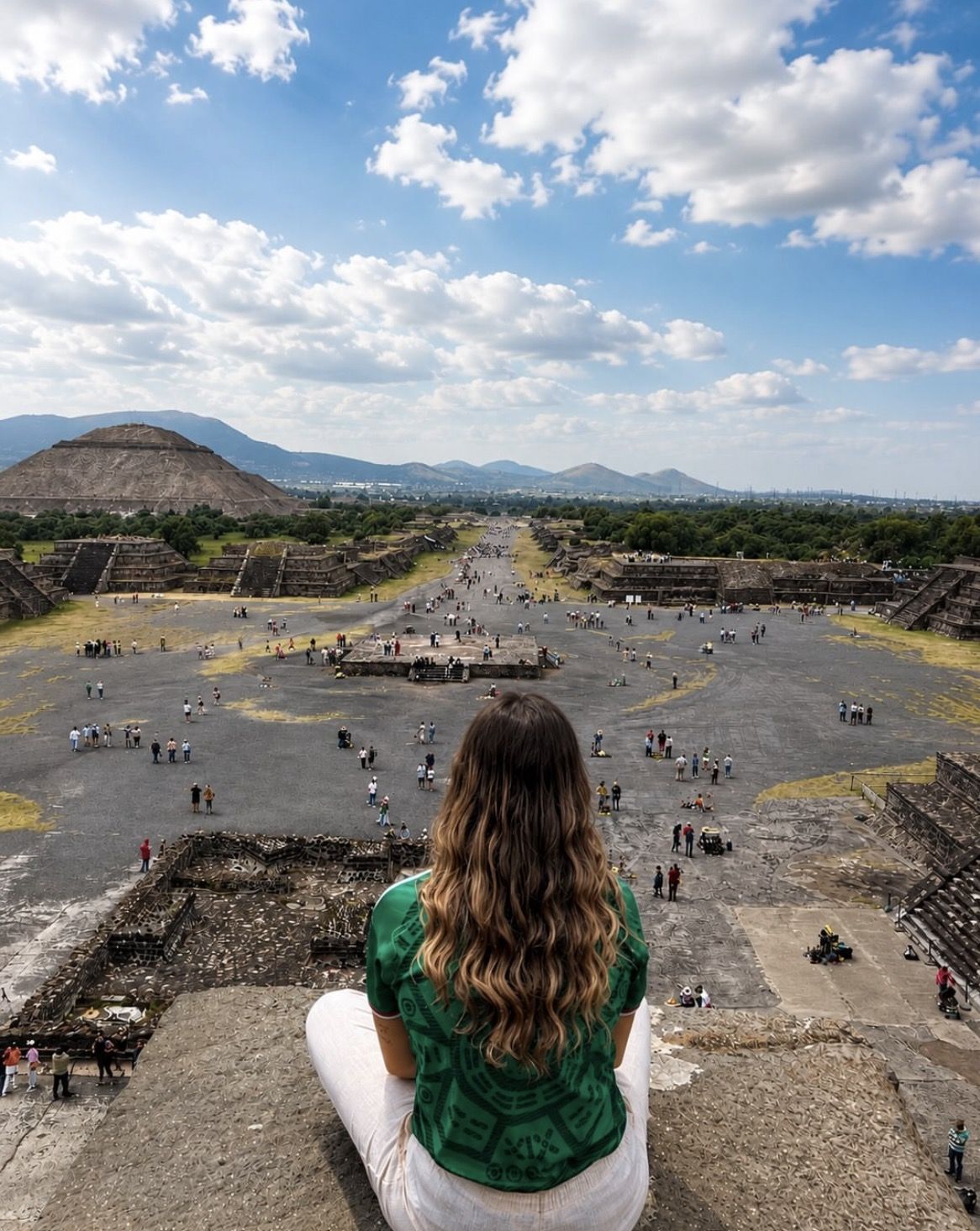
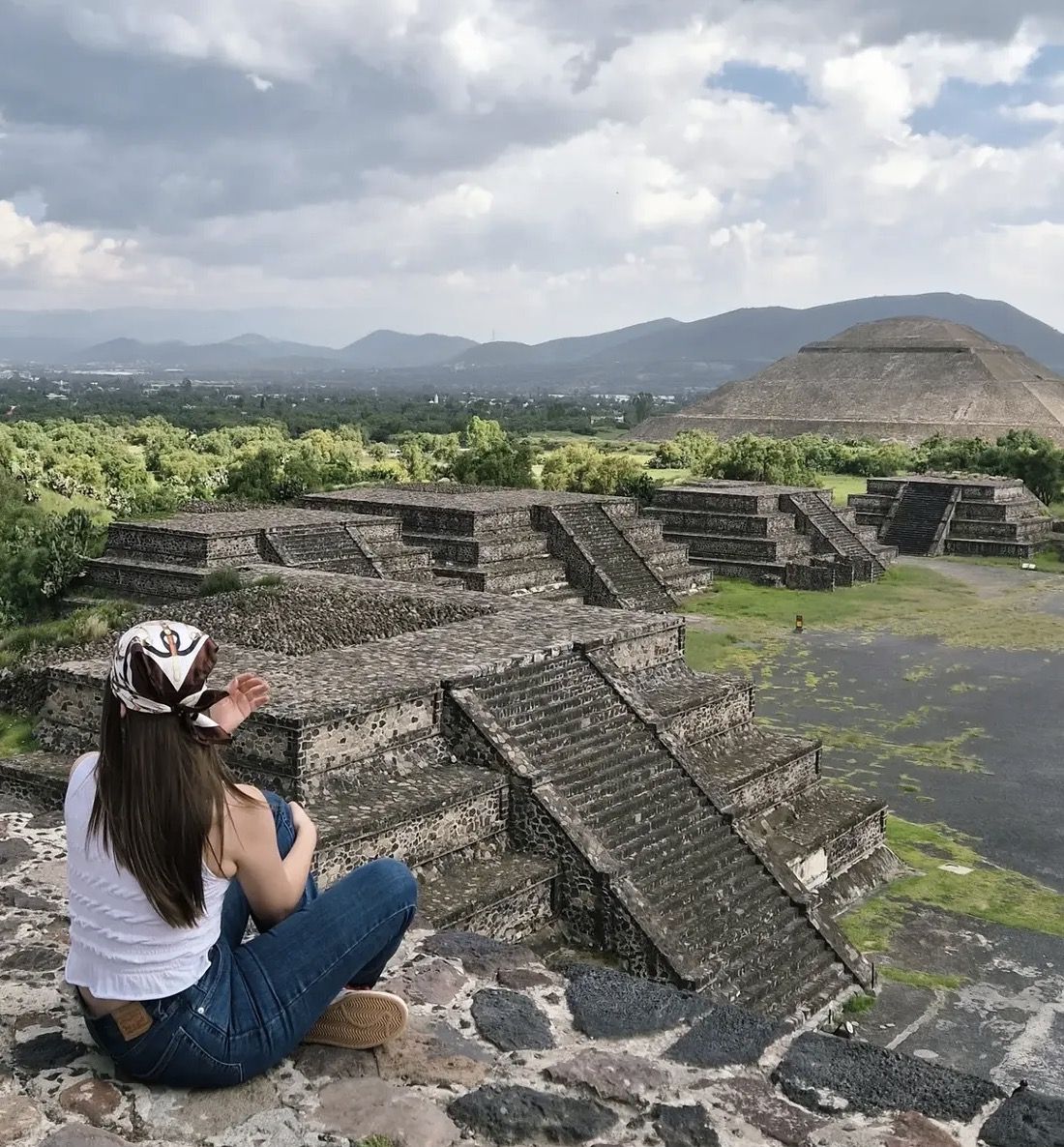
Today, Teotihuacan draws nearly four million visitors annually, cementing its status as Mexico's single most visited archaeological zone. The site spans approximately 83 square kilometers, though only a fraction has been fully excavated. Visitors walk the Avenue of the Dead from the Pyramid of the Moon southward, climb the Pyramid of the Sun for sweeping views of the valley, and explore the vivid murals of the Palace of Quetzalpapálotl. The on-site Museo de Sitio houses a compelling collection of artifacts including obsidian blades, ceramic figurines, and burial offerings. Each spring equinox, hundreds of thousands of Mexicans dressed in white make the pilgrimage to the pyramids to absorb what they believe is a powerful surge of solar energy.
Whether you are a history enthusiast captivated by unsolved mysteries, a photography lover chasing that golden-hour shot from the summit of the Pyramid of the Sun, or simply a traveler hungry for an experience that defies easy description, Teotihuacan delivers on every level. The site sits just one hour from Mexico City by road, making it an effortless day trip or a dedicated overnight adventure paired with nearby colonial towns like Acolman. Guided tours with expert archaeologists can unlock layers of meaning invisible to the casual eye, transforming a walk among ruins into a genuine encounter with one of humanity's most ambitious and mysterious civilizations. This is not just a monument — it is an invitation to wonder.
Ready to Experience It Yourself?
Skip the guesswork and explore Teotihuacan with a knowledgeable local guide who can bring its 2,000-year story vividly to life. Browse our curated selection of highly rated tours departing daily from Mexico City, with options ranging from sunrise climbs to exclusive after-hours access. Book your spot today and stand where the gods were said to have created the sun.
Book Your Tour Now